About Me

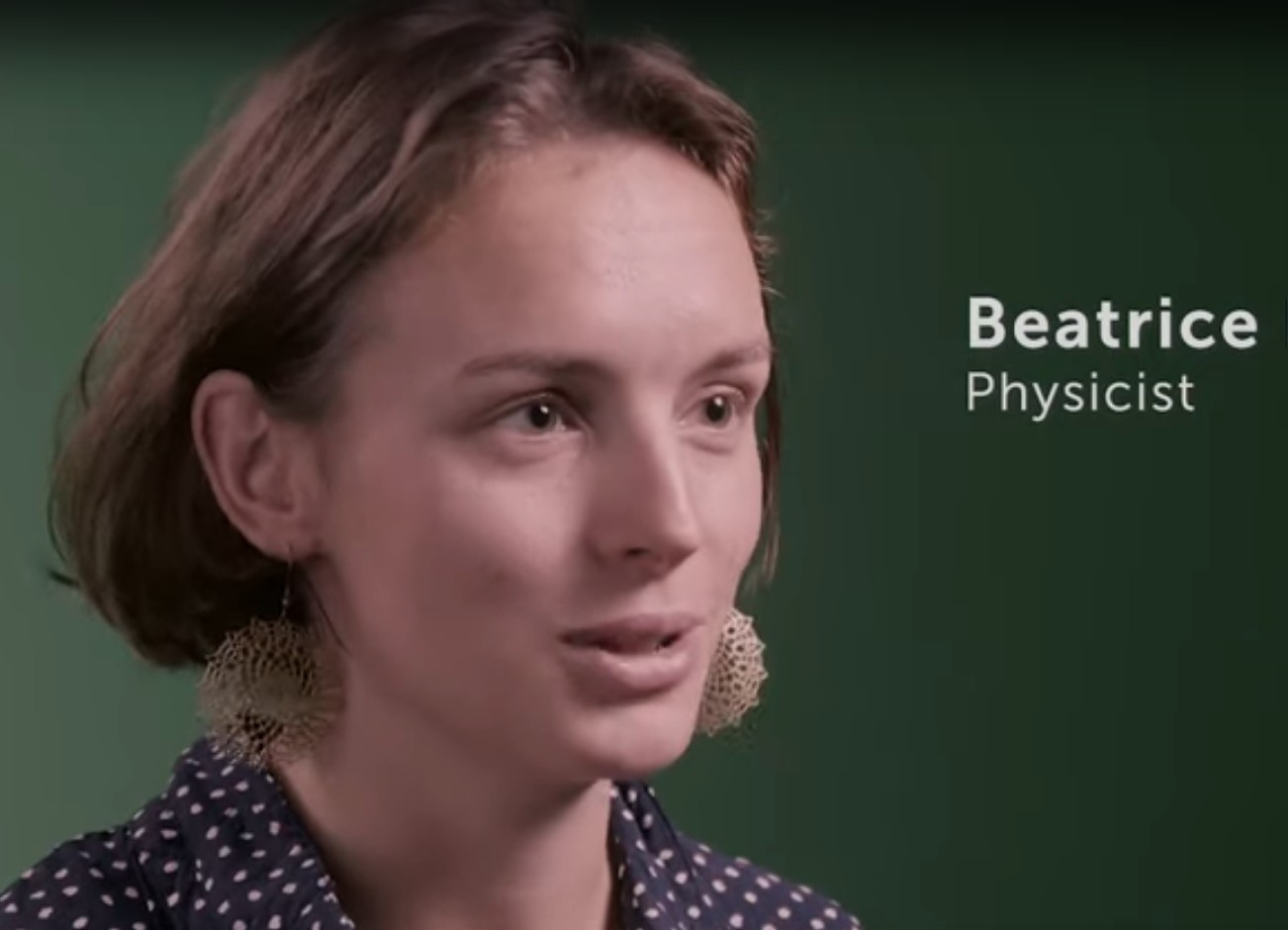
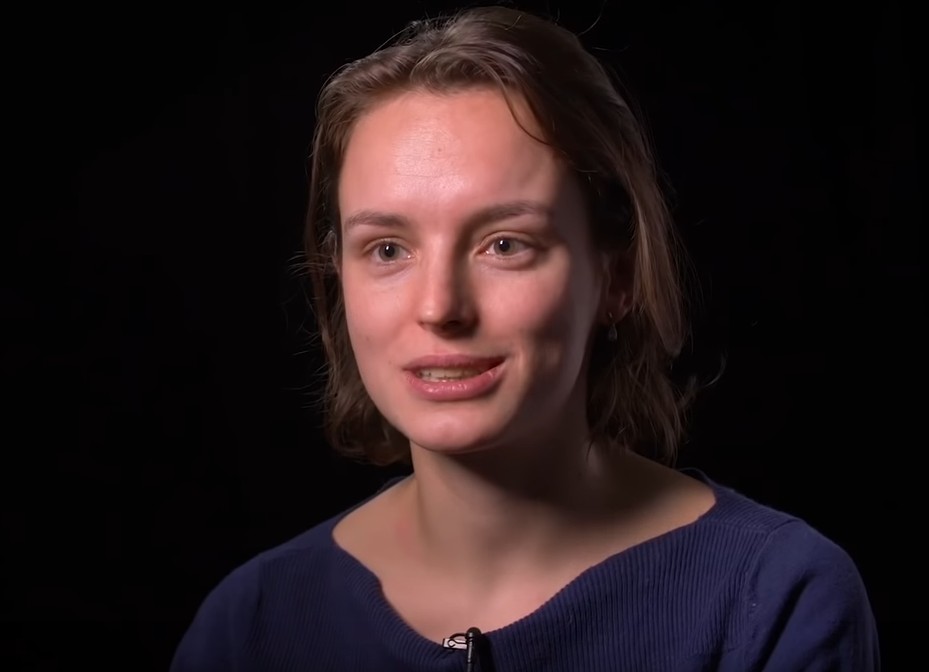
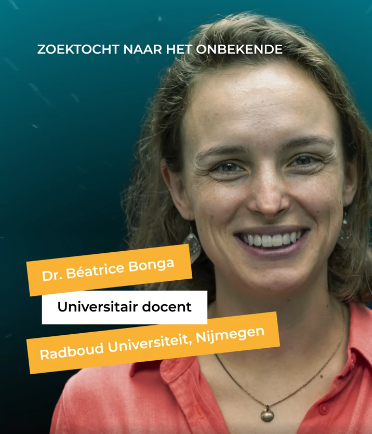
Hi! I am an Assistant Professor in Physics at Radboud University, where I do research in theoretical physics. In particular, I focus on foundational questions in general relativity and predictions for future gravitational-wave observatories such as the Einstein Telescope and LISA.

Short biography

News

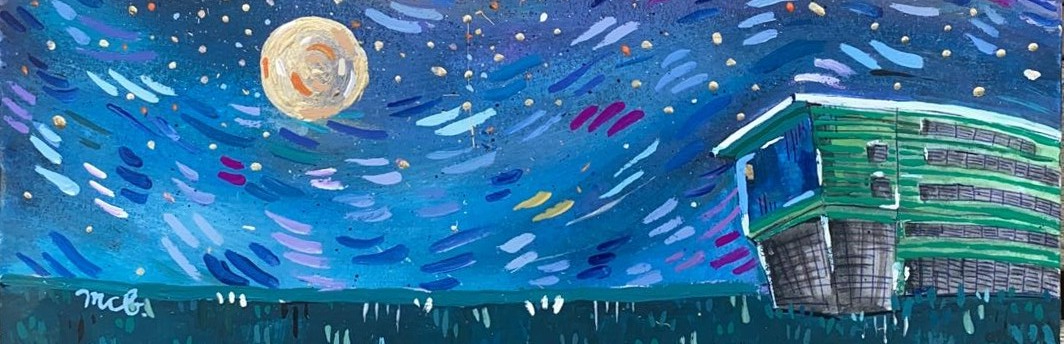
De Kaaij on the river Waal in Nijmegen, underneath the old Waalbrug.

Space journey from De Kaaij

I gave a talk about black holes and the cosmos for Radboud Reflects at De Kaaij, a lovely spot on the river Waal underneath the old Waalbrug in Nijmegen, with a clear view of the night sky. We talked about what black holes are, how they work, and how we detect them (did you know that to turn the Earth into a black hole, you would have to compress it into a marble measuring just 5.5 centimeters across?). You can read more about the event here.

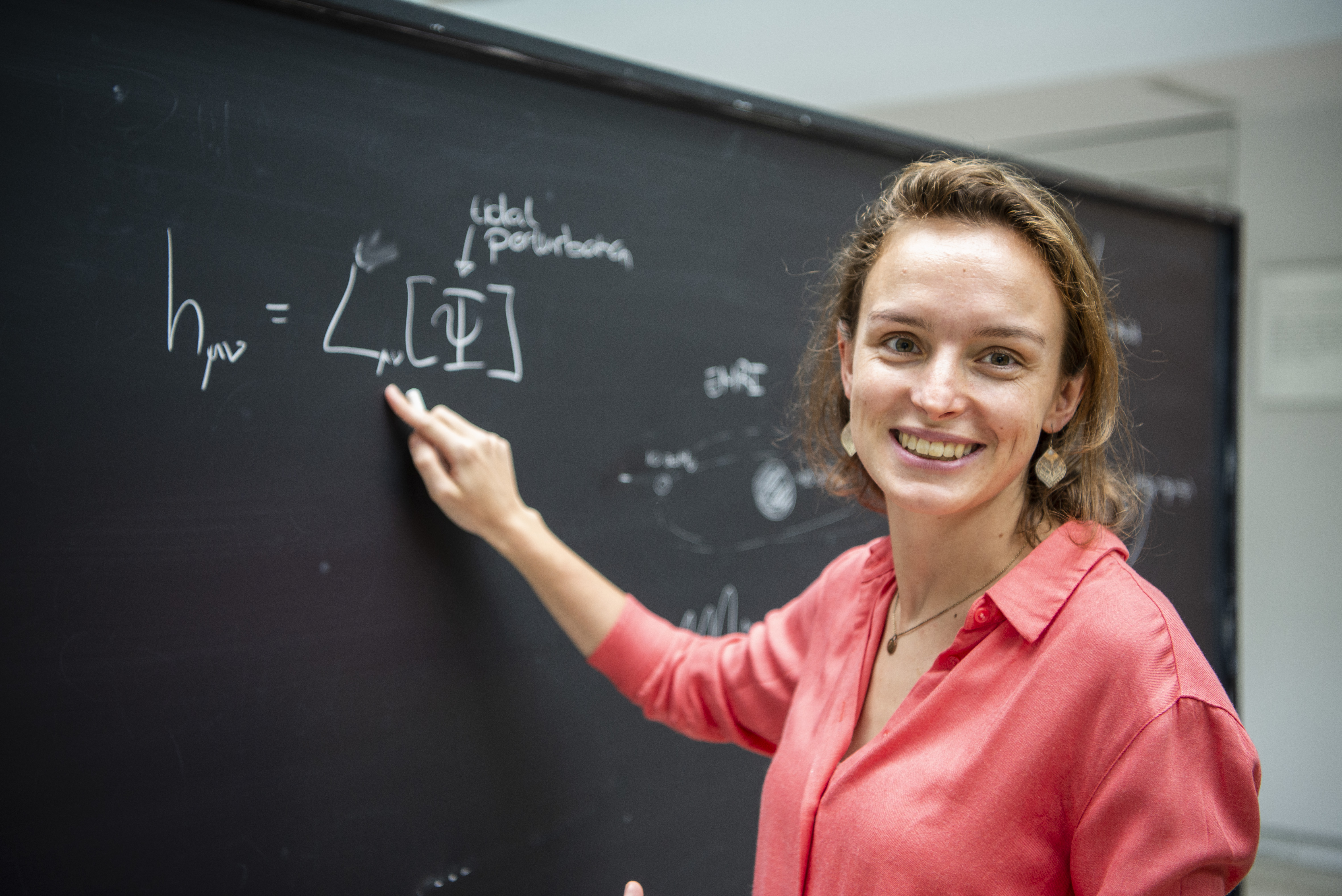
Picture at the Gigabite in the Huygensbuilding on campus with M87 in the background.

Interview for Radboud Recharge

I got interviewed by Radboud Recharge about my research, the Skywalk audiotour (see above) and my career path. You can read the interview here.

Ariadna and Patricia with the PhD jury of Ariadna.

🎉 Hurah! 🎉

My first PhD students, Ariadna Ribes Metidieri & Patricia Ribes Metidieri (yes, they are identical twins!), defended their PhD theses cum laude in June. A spectacular result! A nice article appeared at Radboud Recharge about their achievement. In summer, Ariadna will join the Niels Bohr Institute in Copenhagen and Patricia will join the QFT group at the University of York.

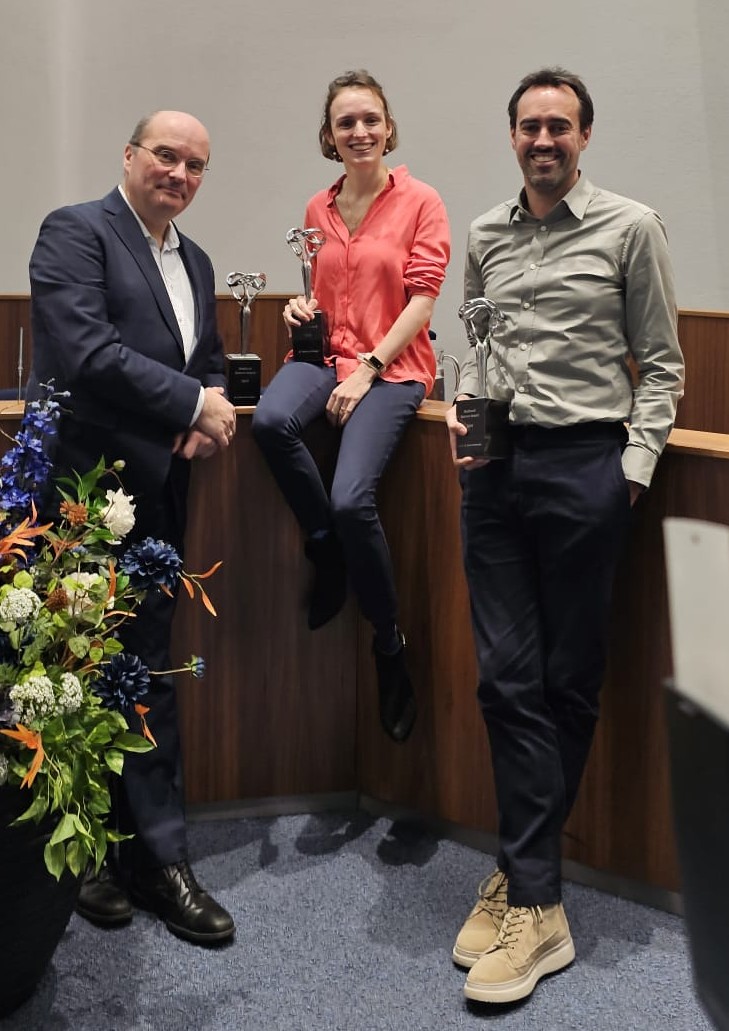
The awardees of the Radboud Science Awards.

The Radboud Science Awards

I am honored to have been awarded the Radboud Science Award. The award ceremony for the Radboud Science Award was fantastic: the entire aula filled with enthusiatic elementary school students. I have never experienced so much energy during a scientific event.

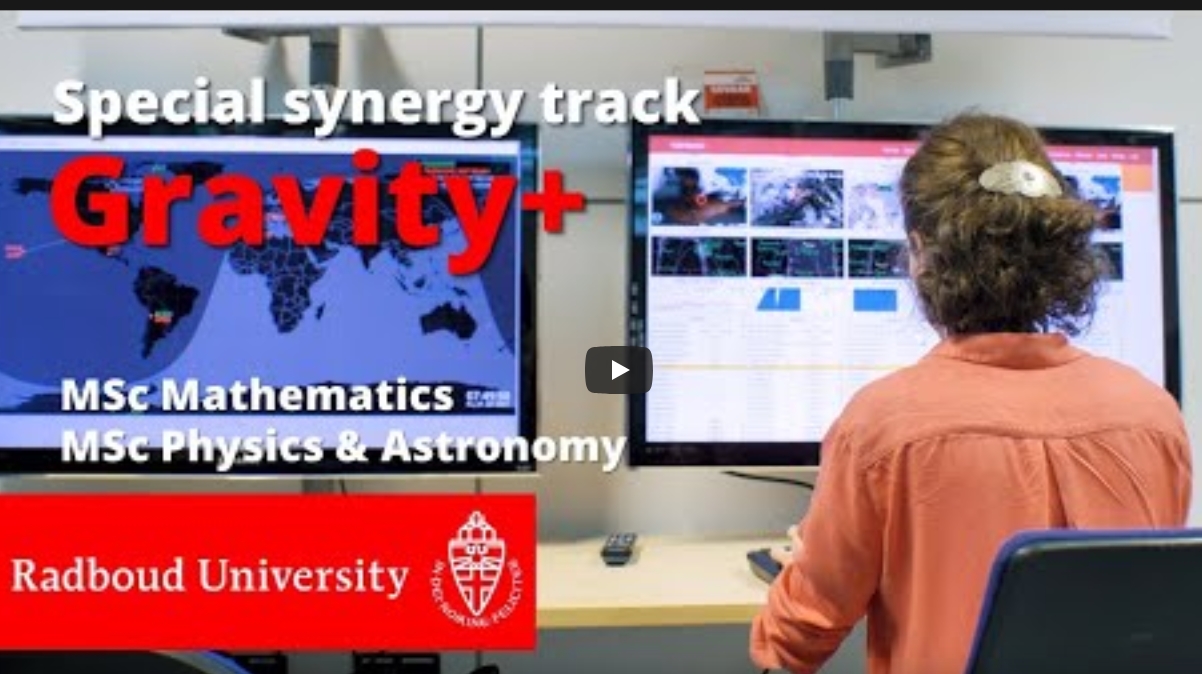
Gravity+ track in our Master Programme

Registration is open for our two-year master's programme at Radboud University that includes the specialization ("synergy track") Gravity+. In addition to a standard curriculum in Particle & Astrophysics or Mathematics, students have access to a unique combination of courses on modern aspects of gravity, from classical to quantum, from mathematical to astrophysical, covering black holes, gravitational waves, quantum gravity and much more. Visit gravityplus.org for more information and how to apply. You can also click on the image on the left for a short video clip about the program. Motivated students from non-EU/EEA countries can apply for the Radboud Scholarship Programme . This programme significantly reduces the tuition fees for non-EU/EEA students. The Radboud Scholarship can be combined with the NL Scholarship , which provides an additional €5,000 award for non-EU students pursuing a master’s degree at Radboud University.

Research

All my scientific publications are freely available online.

Some of my recent work includes (click on the pictures on the left for a link to the articles):

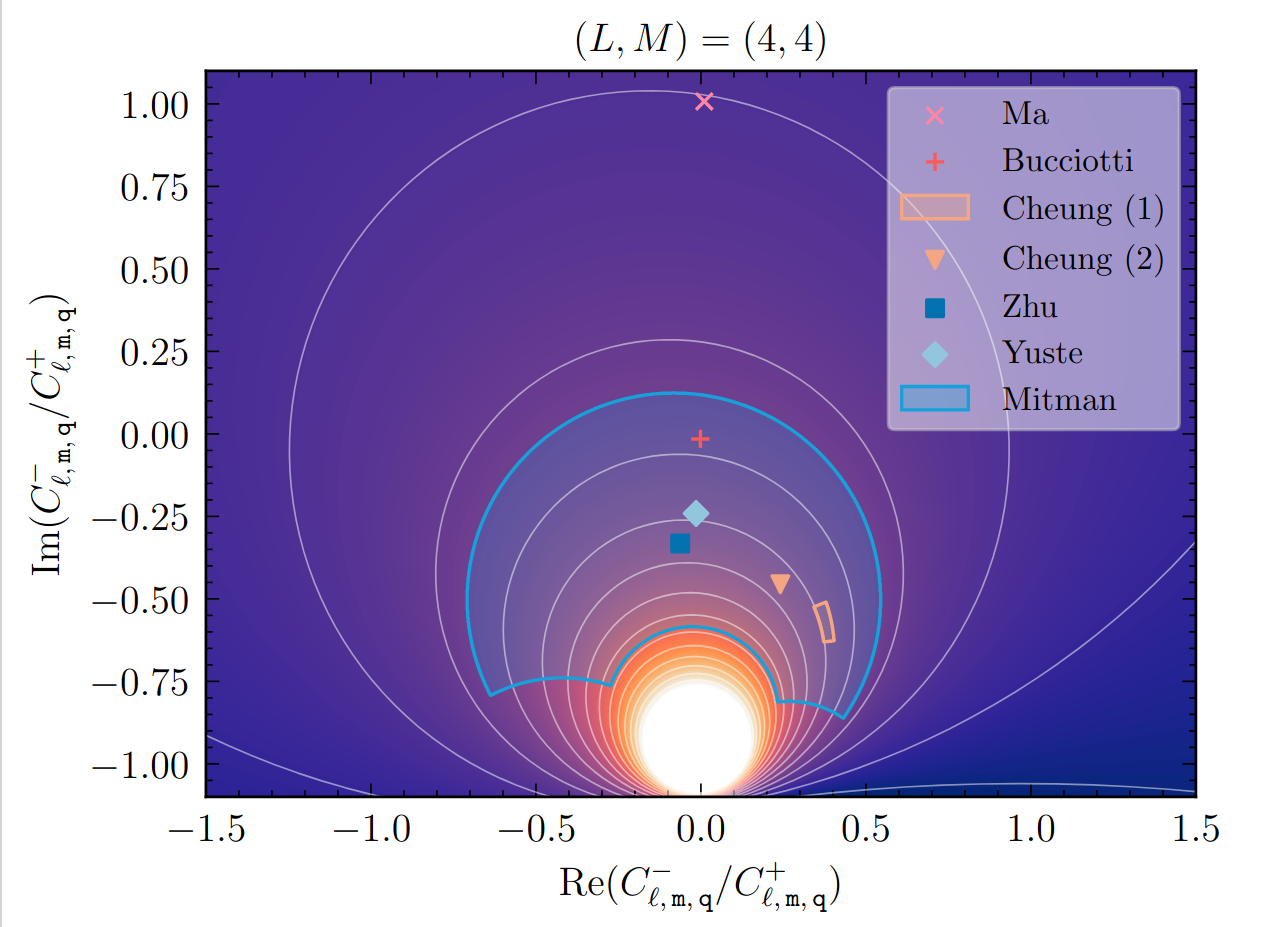
Reconciling differing QQNM/QNM predictions

Nonlinear effects in ringing black holes

Yay, our paper about nonlinear effects in black holes got in PRL and published on Valentine's day 💛! After two black holes merge, they create a new distorted black hole. This distorted black hole will absorb gravitational radiation to settle down to a standard vanilla black hole. This radiation is well described by damped sinusoids with very specific frequencies, called quasi-normal modes (QNMs). These frequencies can be predicted using black hole perturbation theory. As it turns out, to match observations better, we need to work upto second order in perturbation theory! It was thought that the ratio of second order amplitudes to the linear parent amplitudes sourcing them would be initial data independent, but we showed that this is not quite true.

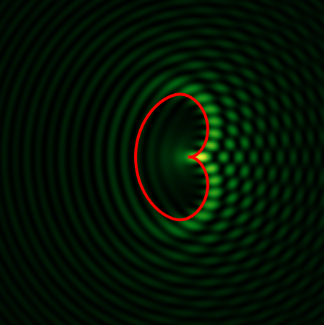
Interference pattern of a rotating star

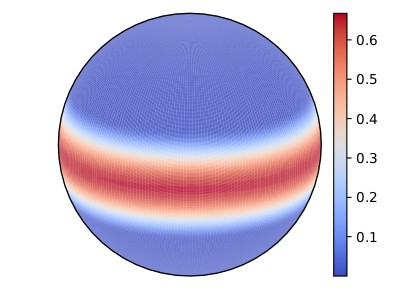
Interference patterns in the sky

Gravitational lensing in the wave optics regime is a new endeavor of mine. It is a beautifully rich field combining caustic singularities, general relativity and interference phenomena. Here we explore the interference patterns you get from a rotating lens.

A happy black hole with a Newtonian black hole mimicker

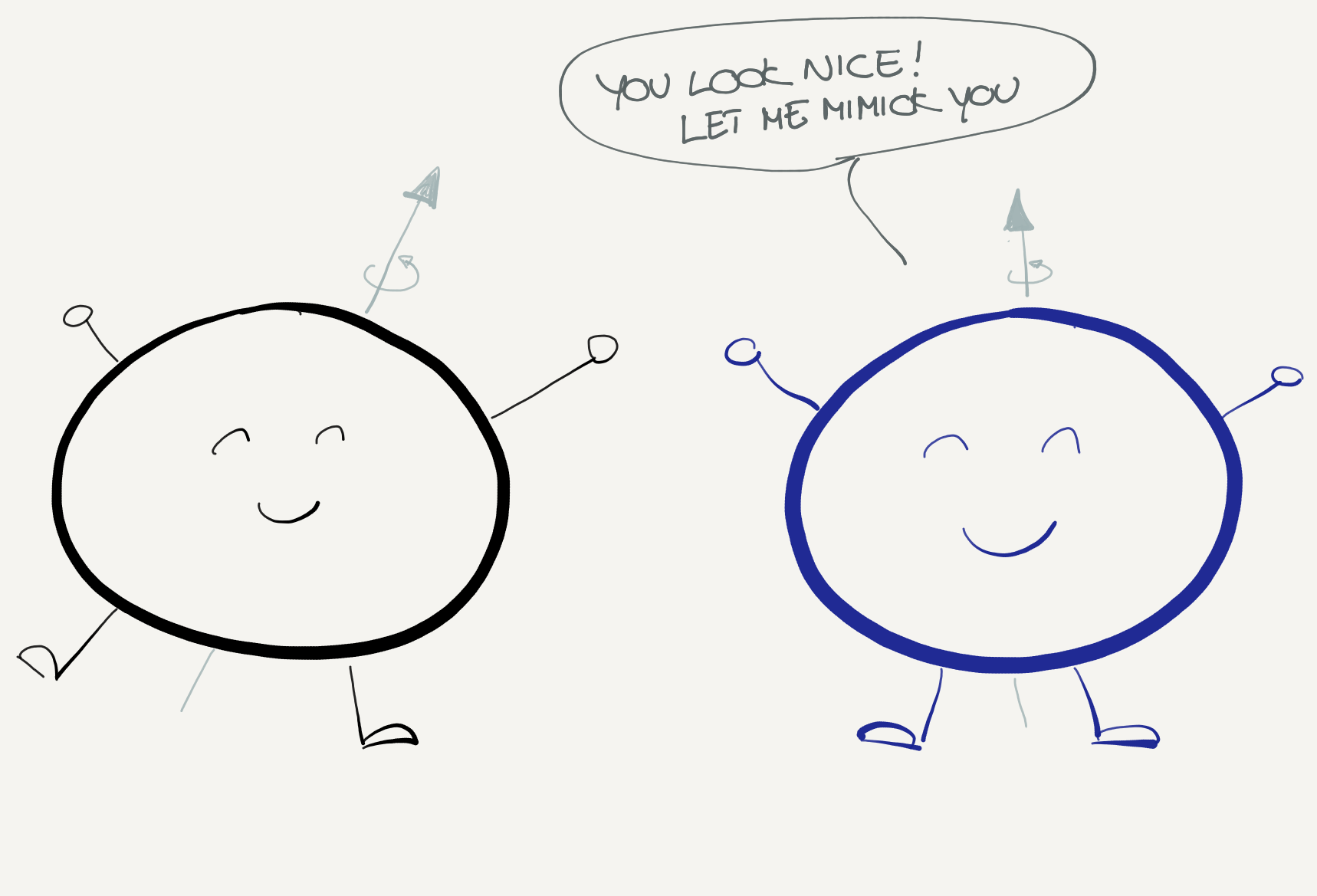
A black hole mimicker

Black holes have a very specific gravitational field, which one can characterize by its multipole moments. The multipole moments of black holes are all completely determined the mass and spin of the black hole. We asked the question: are there other objects that can mimick all the multipole moments of a rotating black hole? We constructed an explicit example of a Newtonian star with multipole moments identical to those of a rotating black hole, so the answer to this simple question is "yes".

The influence of a tidal resonance on the phase is observable across the parameter space

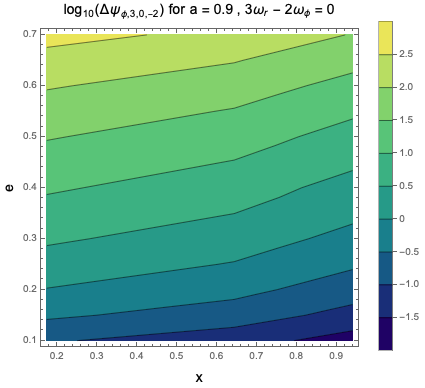
The importance of tidal resonances

A few years ago, my collaborators and I pointed out that tidal resonances may play an important role for Extreme Mass Ratio Inspirals. In two papers on this topic, we explored the entire parameter space and showed that these resonance leave an observable imprint on the waveform for most EMRI configurations. We also made the first steps needed in order to model these resonances efficiently, which also nicely applies to self-force resonances (how is that for killing two birds with one stone? :)).

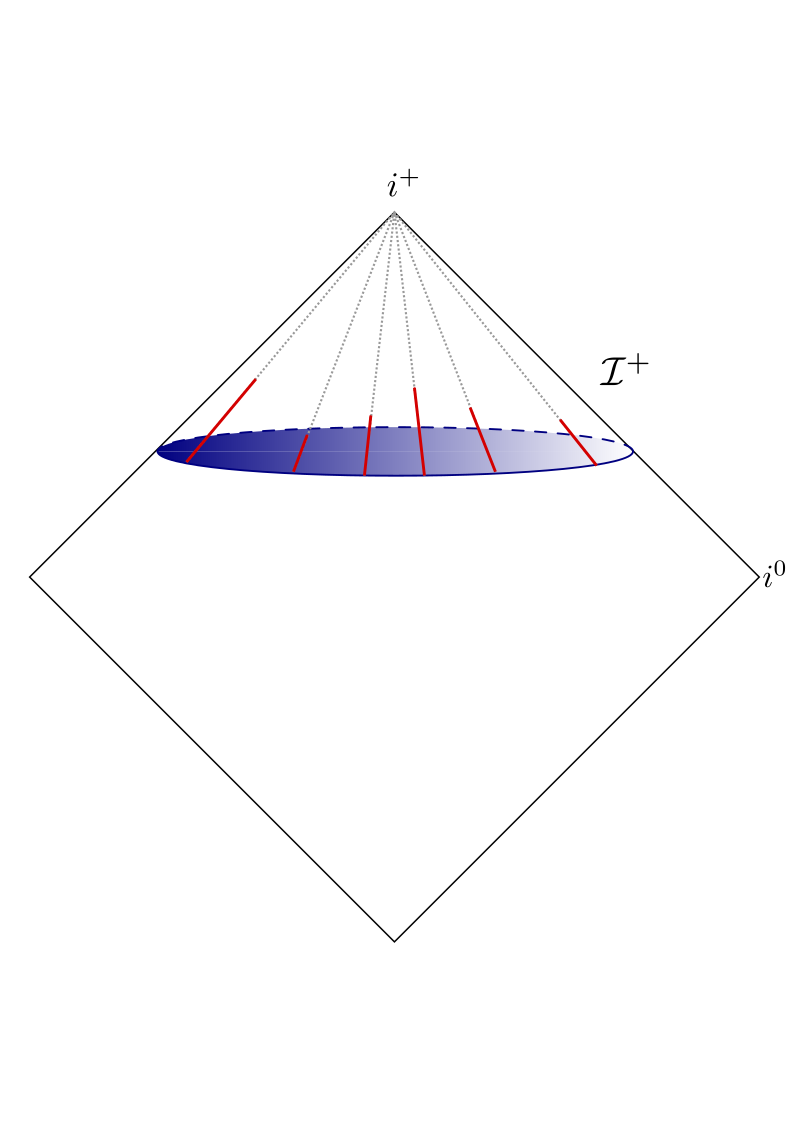
Conformal diagram of decelerating FLRW spacetimes

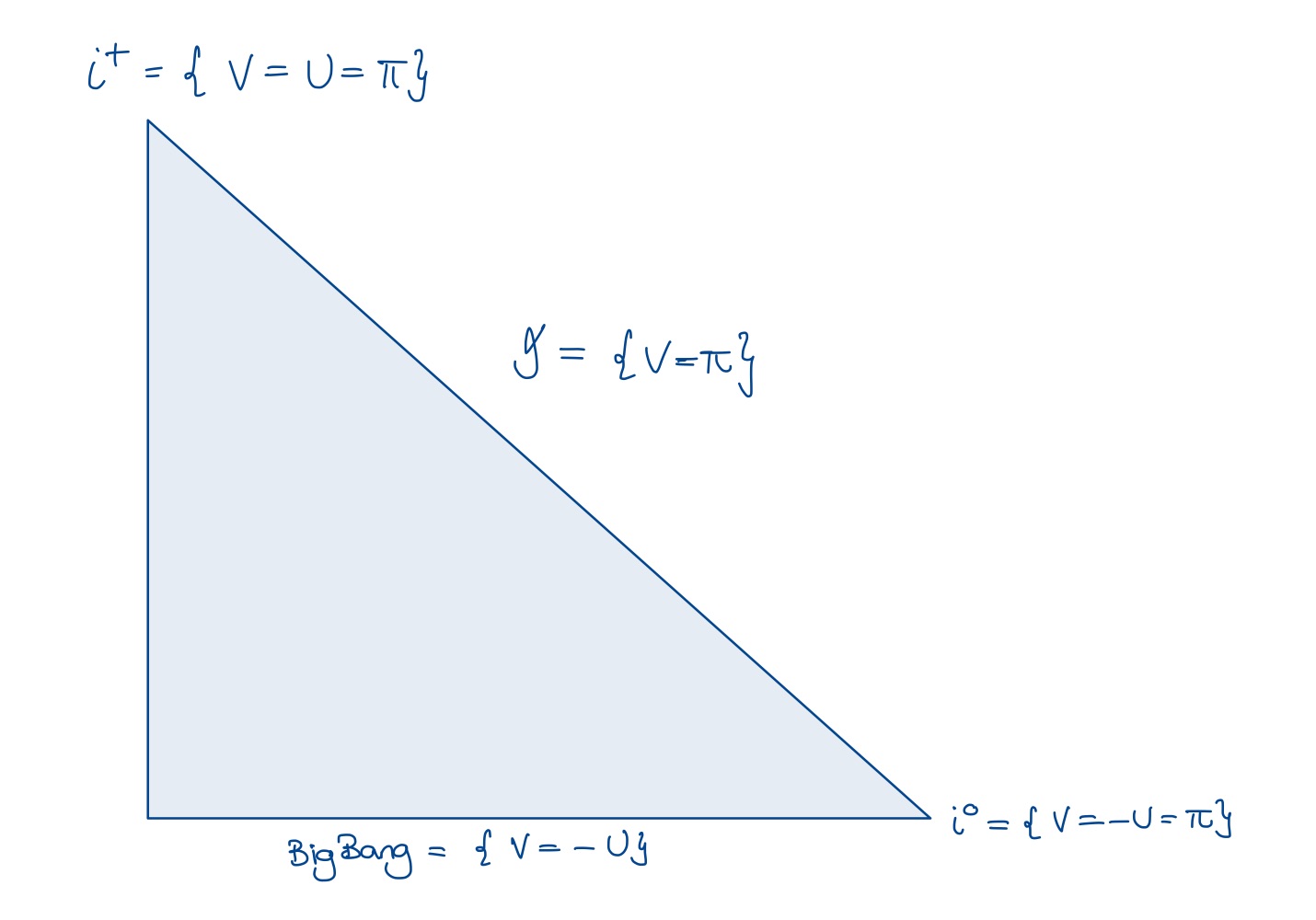
BMS-like structures in cosmology

Symmetries play a key role in theoretical physics. However, most realistic systems posses no symmetries. Fortunately, if you go far away from a compact object with strong gravity such as black holes and neutron stars, the spacetime becomes approximately flat again. As a result, you do have "asymptotic symmetries". These asymptotic symmetries are described by the Bondi-Metzner-Sachs algebra (BMS) and they play an important role in gravitational science. However, if you take into account that the universe is expanding, the spacetime does not become asympotically flat. We carefully examined what happens if you have spacetimes that expand in a decelerating fashion and found that the asymptotic symmetry algebra of this large classs of spacetimes is like the BMS algebra. However, it is not exactly the same! See the paper for details :)

Melting of a neutron star due to resonance effects

Melting of neutron stars

When two neutron stars are in a binary system, they exert tidal forces on each other. These tidal forces increase as the two stars get closer during their inspiral. As a result, one of the natural modes of the stars -- called the interface mode -- can be resonantly excited. When this happens, the orbital energy is transferred to the star's crust, which can then melt. This all happens during the final phases of the inspiral and we predict that this is observable by future ground-based gravitational wave detectors. This would be cool as it provides more information about the properties of neutron stars and the fundamental properties of nuclear matter at high densities.

Different approaches to defining angular momentum in electromagnetism

Angular momentum radiated

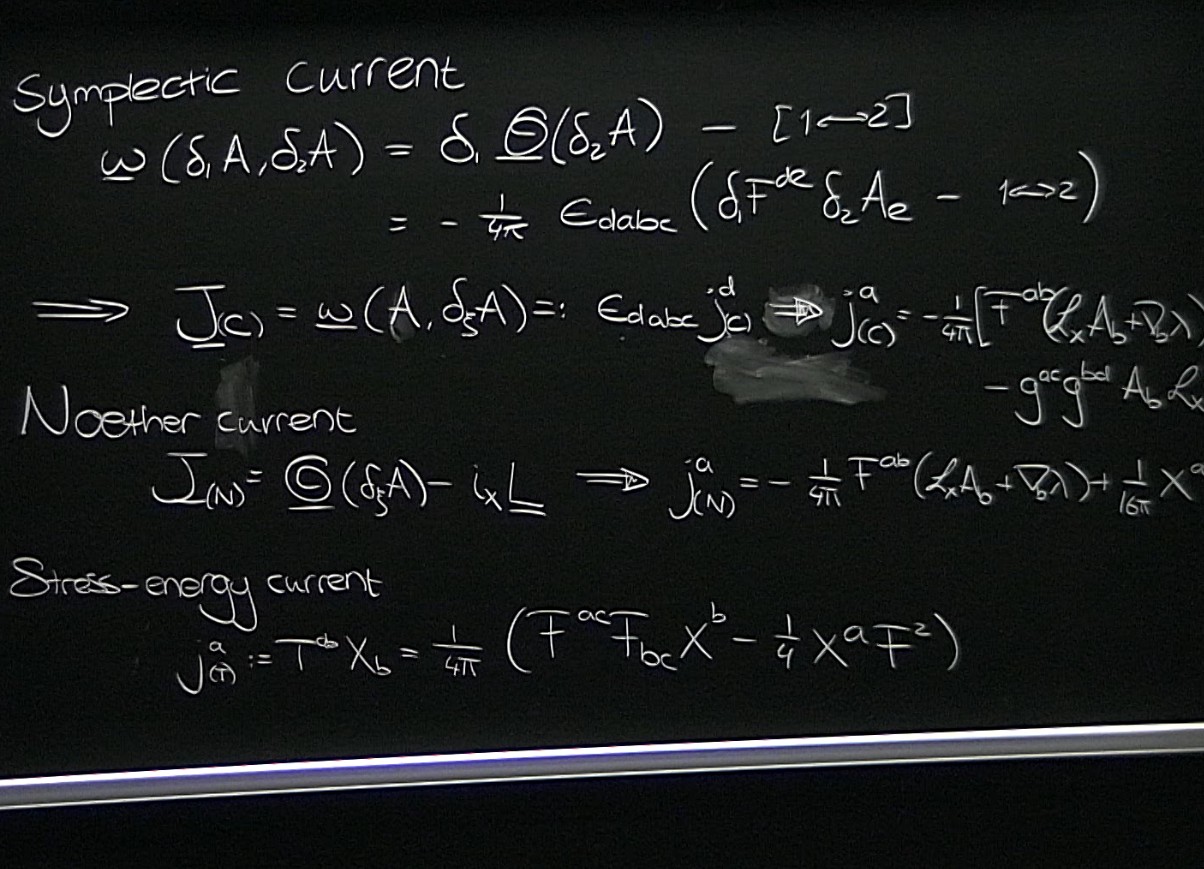
This work is the final answer to a long list of papers about angular momentum radiated by electromagnetic and gravitational waves. It all started with a surprising fact about angular momentum radiated in electromagnetism: while one typically thinks of fluxes radiated to infinity to only depend on the radiative degrees of freedom, the total flux of angular momentum radiated also depends on the Coulombic degrees of freedom. These Coulombic degrees of freedom appear through an interaction term between the radiative degrees of freedom and the charge aspect. This occurs in realistic scenarios, for instance, all the angular momentum radiated by a charged spinning sphere with variable angular velocity is due to this interaction term. This is not the case for gravitational waves: the angular momentum radiated by gravitational waves is entirely encoded in the radiative degrees of freedom. This interesting difference between electromagnetism and gravity deserved further explorations, and that is exactly what we did in this paper!

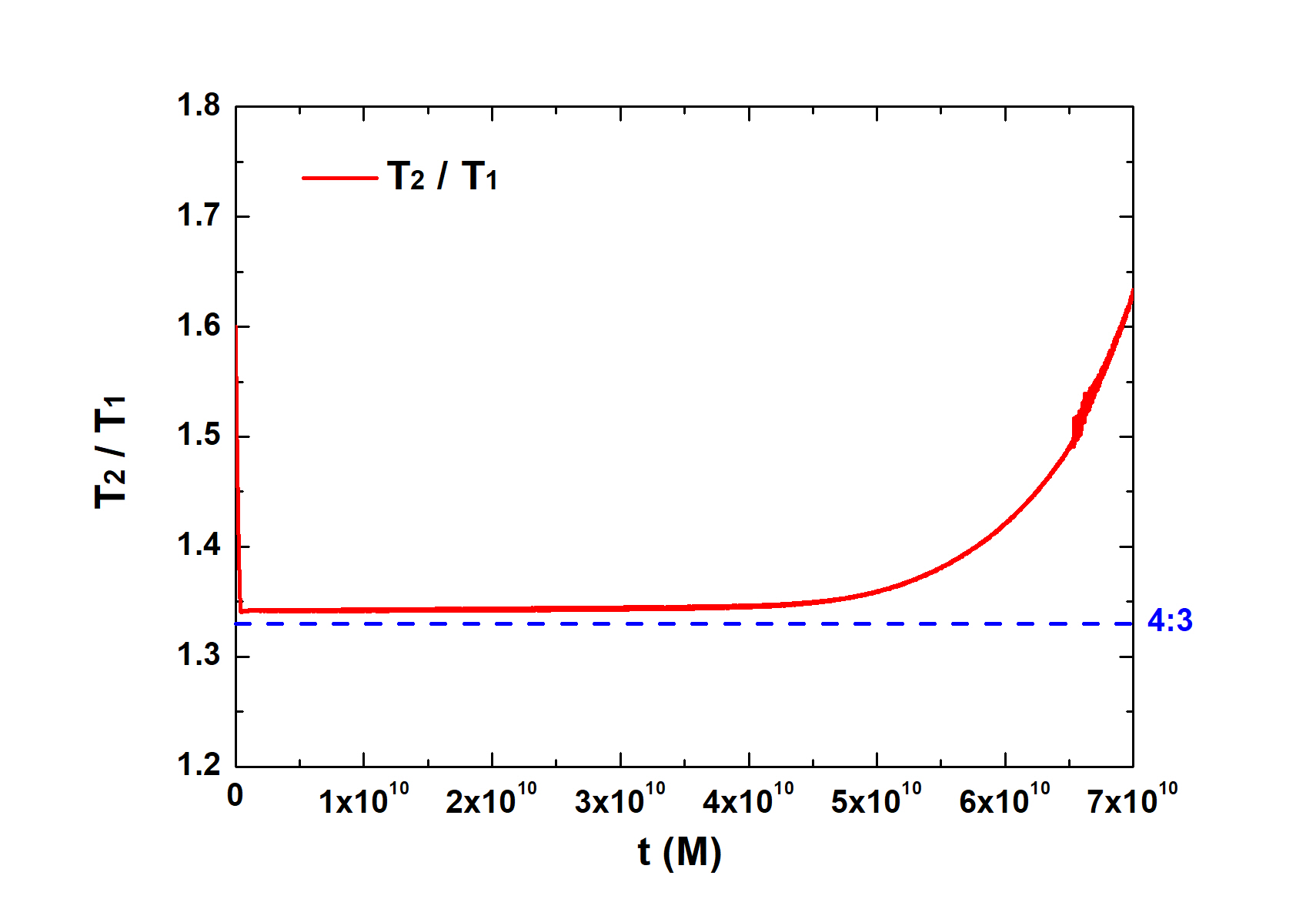
An example of a 4:3 mean motion resonance

Mean motion resonances in black hole spacetimes

Mean motion resonance is a type of orbital resonance that occurs due to the gravitational interaction between two objects orbiting a central massive object. They are very common in planetary systems, for instance, the moons of Jupiter are in various mean motion resonances. We investigated whether mean motion resonance in the strong gravity regime around massive black holes. During this type of resonance, objects are "locked" and move in a synchronized way. As a result, mean motion resonance can create the perfect circumstances for tidal resonances to occur, which are likely observable by LISA. For a nice layman's description about tidal resonances, see this article in Inside the Perimeter.

Teaching

Supervision theses

Master theses
Bachelor theses

If you are a bachelor or master student looking for a thesis project, please send me an email. If you are doing a double bachelor (in particular, physics and mathematics), co-supervision with a supervisor from another department is possible.

Recent courses

Foundations of gravitational waves and black hole perturbation theory

I have developed a seven-week master course titled "Foundations of gravitational waves and black hole perturbation theory", which I teach every Spring semester (in the third quarter). You are welcome to download the materials for this course:

If you find any typos: first off, my apologies, and second, it would be great if you would let me know!

Educational Resources for Schools

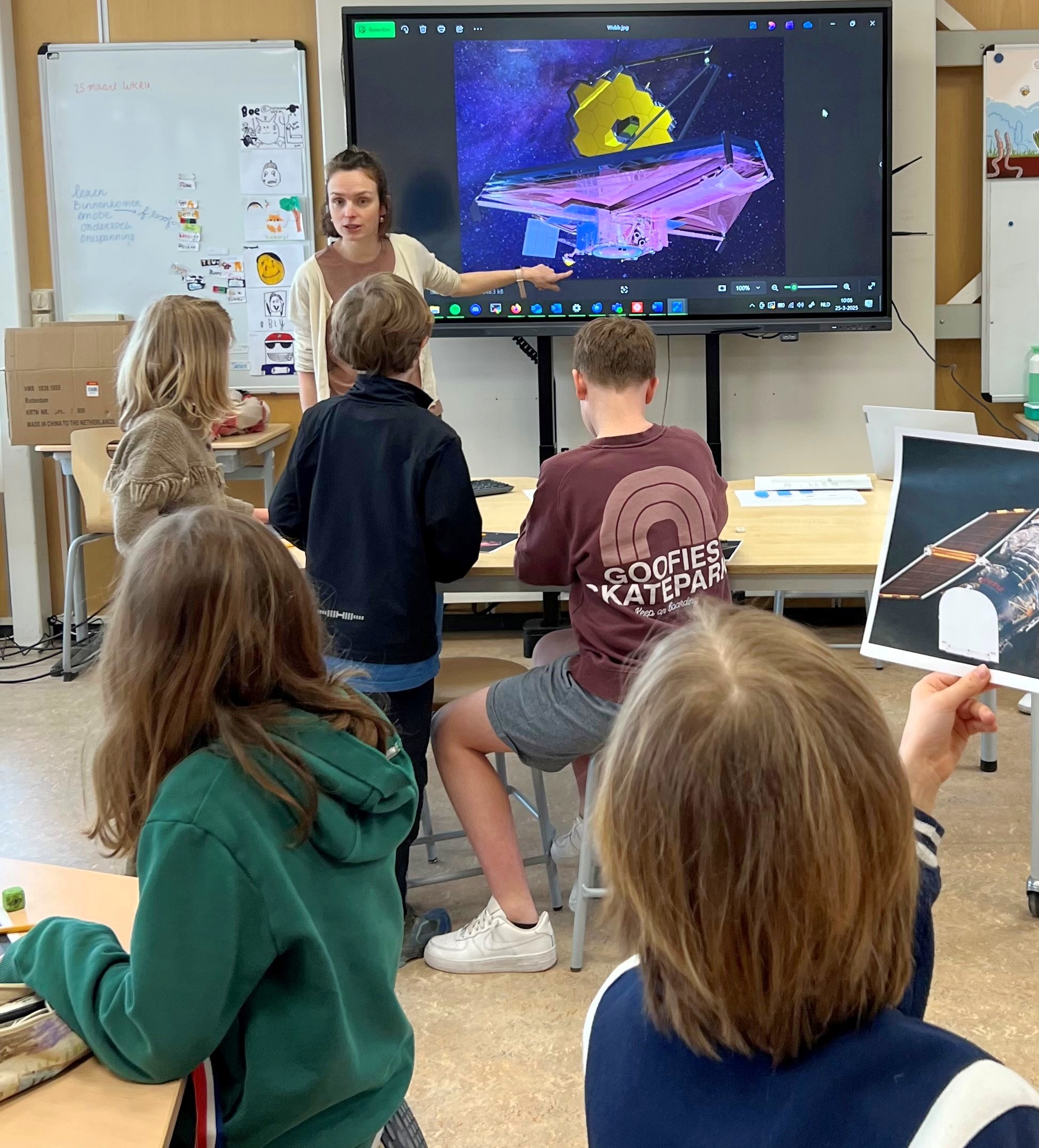
Over the years, I have developed lesson plans and educational materials for schools, and I regularly visit elementary and high schools to talk about black holes and gravitational waves. Below is an overview of these activities and resources.

Lesson plan "The music of black holes"

I developed a 1,5 hour long lesson plan about black holes for children in the last two years of elementary school (in the Dutch system: groep 7 en 8), in collaboration with Science Hub Radboud University. The lesson plan is freely available here (sorry, only in Dutch at the moment). I have already taught it in more than 10 different classes, including at elementary schools "de Akker" and "de Hazensprong" in Nijmegen. The kids were amazing and super engaged every time. So spread the word and try it yourself!

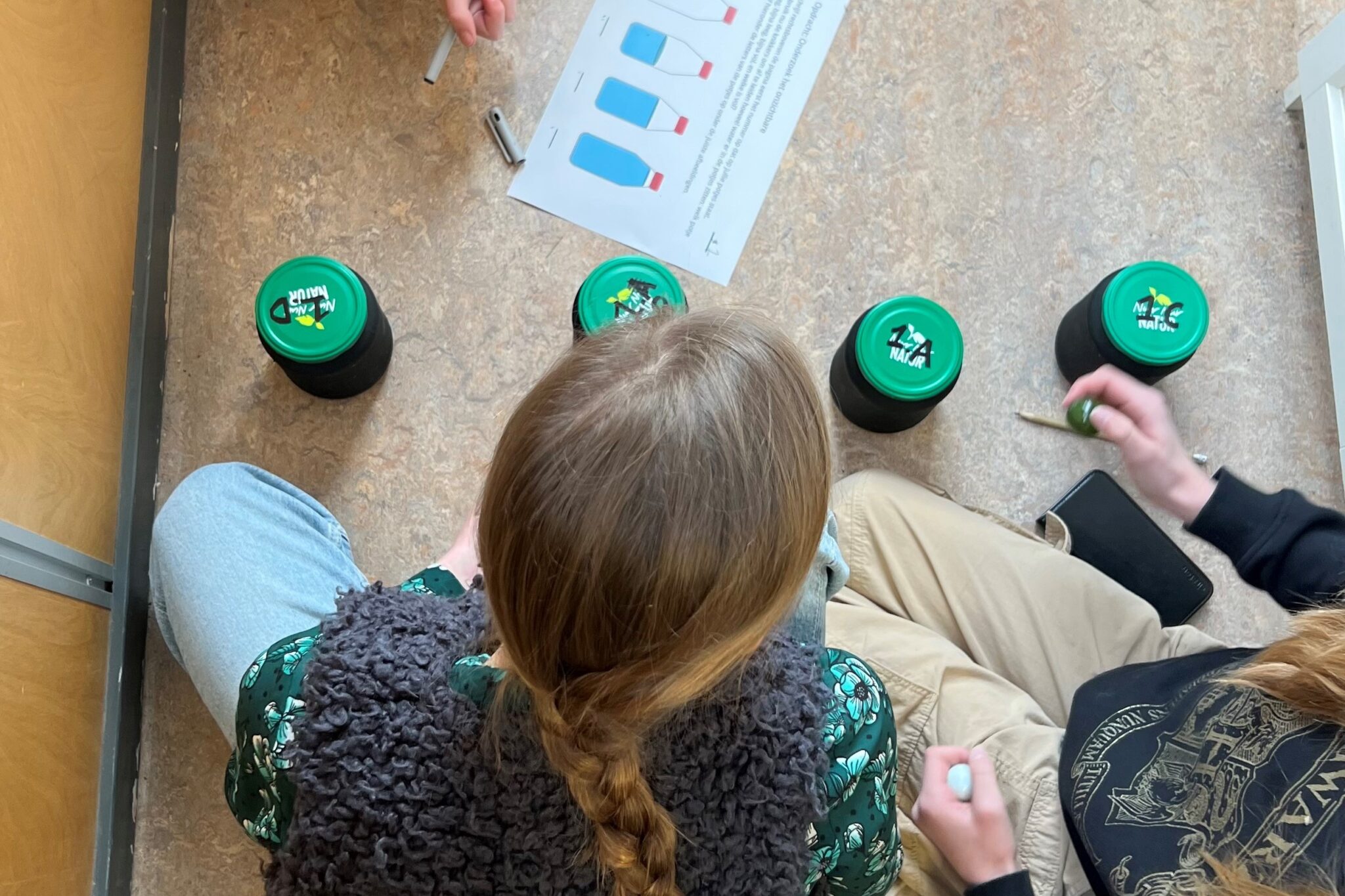
Children experimenting with different black hole models.
Children experimenting with different black hole models during the lesson.
At elementary school de Akker in Nijmegen.

Other educational materials & resources

For some movies in which I talk about physics for the classroom, see these clips (in English):

This educational movie delves into the concept of fields, which plays a central role in modern physics
This short clip about fields is part of the educational resource from the Perimeter Institute called Fields. The concept of fields plays a central role in modern physics.
This educational movie discusses model building and breaking.
This short clip about model building and breaking is part of the educational resource Deeper Understanding of Energy, a classroom resource from Perimeter Institute.

Guest lectures for high school programs

  • PUC (pre-university program for talented high school students), Radboud University — 14 January 2025.
  • Kandinsky College (5VWO and 3HAVO), Nijmegen — 16 June 2023.
  • PUC (pre-university program for talented high school students), Radboud University — 24–25 January 2023.
  • Raayland College (5VWO), Venray — 20 January 2023.
  • Kamerlingh Onnes, Groningen (6VWO) — 19 December 2022.
  • Kamerlingh Onnes, Groningen (6VWO), for the International Day of Women and Girls in Science — 11 February 2020.
Outreach

Podcasts (all in Dutch)

  • I was a guest on the children's podcast "Professorproef", where children get to ask scientists anything they want. You can listen to the episode here.
  • I appear an episode of the nice podcast "Geschiedenis van de natuurkunde", in which I chat about some cool relativitistic effects and the history of discovery behind it.
  • I had lots of fun being interviewed about my research by Bob and Sophie for the Radboud Science Podcast. You can listen here to that episode. (Note: the podcast is in Dutch only.)
  • I created an audio tour about black holes and the infinite universe for the SkyWalk on top of St. Stevens' Church in Nijmegen, as part of Radboud University's science festival. While the SkyWalk itself is no longer accessible, you can still listen to the audio tour online. Read more about it here.

Recent face-to-face outreach

Outreach online

This is a selection of some of my recent outreach that has found its way to the worldwide web:

  • I am a science advisor for this short 90-second explainer about black holes made by the Nationale Wetenschapsagenda (available only in Dutch).
  • I play a small role in the movie Secrets of the Universe, which is an IMAX movie about science at the LHC that is currently shown in science musea in the USA and Canada. The images are beautiful and you get to learn about a wide range of amazing scientists. Truly inspiring! Hopefully, it will make its way to Europe soon as well.
  • I was a blogger for the fantastic website ParticleBites, which is an online particle physics journal club written by graduate students and postdocs.

For some movies in which I talk about physics, see these clips:

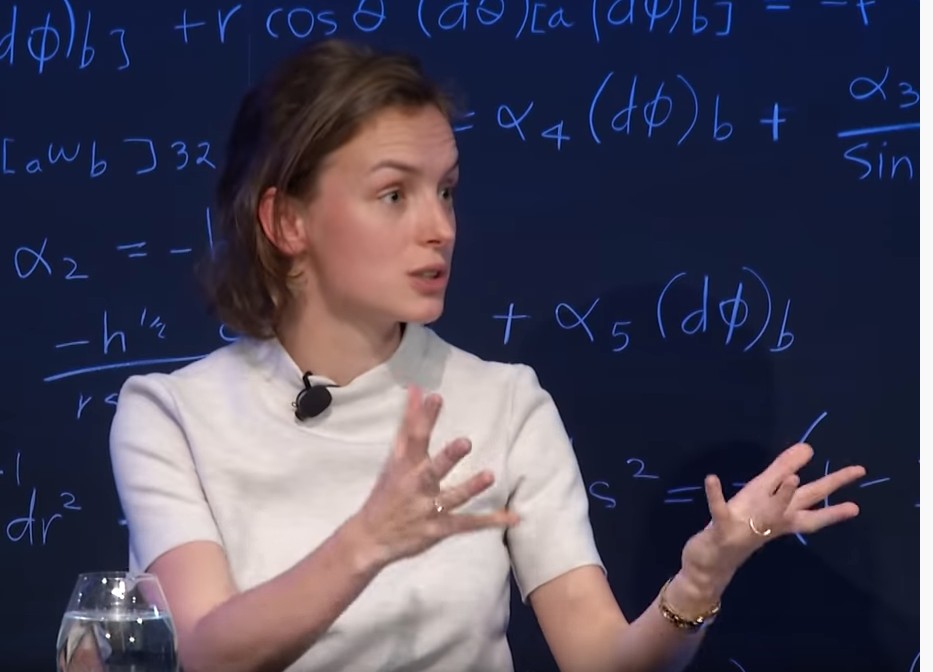
Live panel discussion on the Event Horizon Telescope's first black hole image
Panel discussion on the day of the release of the first black hole image by the Event Horizon Telescope.
Live Q&A session about black holes (in Dutch)
(In Dutch) De Nationale Wetenschapsagenda organiseerde een facebook live event op 7 december 2021 over zwarte gaten, waarin ik allerlei vragen beantwoord van de kijkers samen met Jaco de Swart. Voor een korte teaser, zie dit korte filmpje en het volledige vragen half-uurtje is hierboven terug te zien.
Béatrice Bonga explaining what black holes are in a short video.
(In Dutch) Een korte video waarin ik uitleg wat zwarte gaten zijn en waarom ze zo interessant zijn.

Contact

bbonga [at] science.ru.nl

Visiting address

Huygens building - Room 02.731
Heyendaalseweg 135
6525 AJ Nijmegen
The Netherlands

Postal address

IMAPP, Faculty of Science
P.O. Box 9010
6500 GL Nijmegen
The Netherlands